Townsville and Cairns are both closer to Papua New Guinea than Brisbane, but many Australians still don’t know much about our closest neighbour.
So what is it like to get an education in PNG? Just like in Australia, there is no stock-standard answer to that question.
A child’s school experience – and whether they go to school at all – will often depend on where they live, how much money their family and community has, whether they have a disability, and their gender.
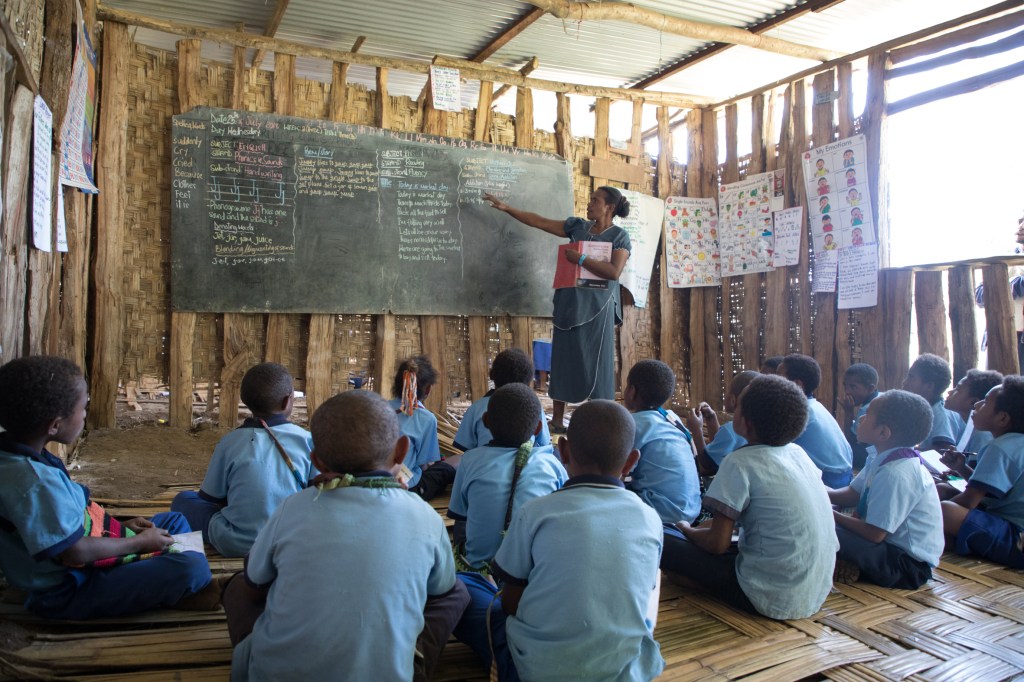
In the remote highlands, the challenges are particularly stark.
Many teachers lack formal qualifications and some are not even paid – they volunteer simply because they are passionate about educating the next generation.
Literacy rates for women in those areas are as low as 21 per cent – significantly below the national average of 48 per cent – and schools are drastically under-funded.
Many schools have no tables or chairs, children have no books, and in some schools teachers have not been paid in four years.
One headmaster, John, says “We have such low funds… we are currently considering selling the roofing iron from the roof of the classrooms just to make money to buy supplies.”
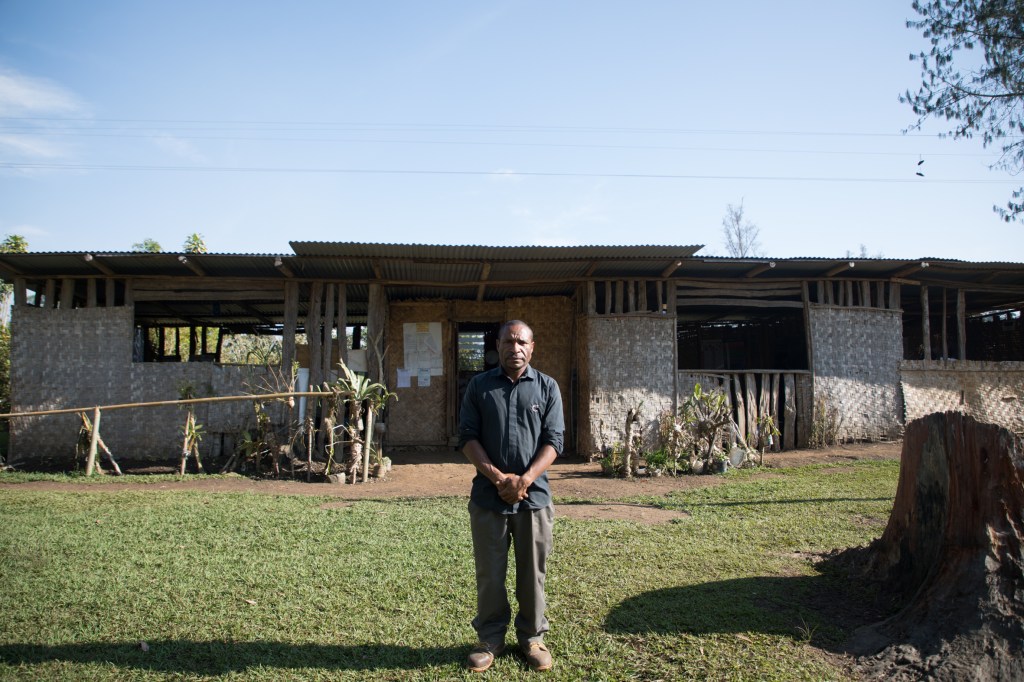
In August last year, I visited three schools in the highlands of PNG as part of my job with the aid agency CARE Australia.
With support from the Australian Government, CARE’s education programs are making it possible for children in these remote communities to receive a higher standard of education.
CARE Australia is training teachers, providing schools with resources, and working with local governments to improve education policies and practices.
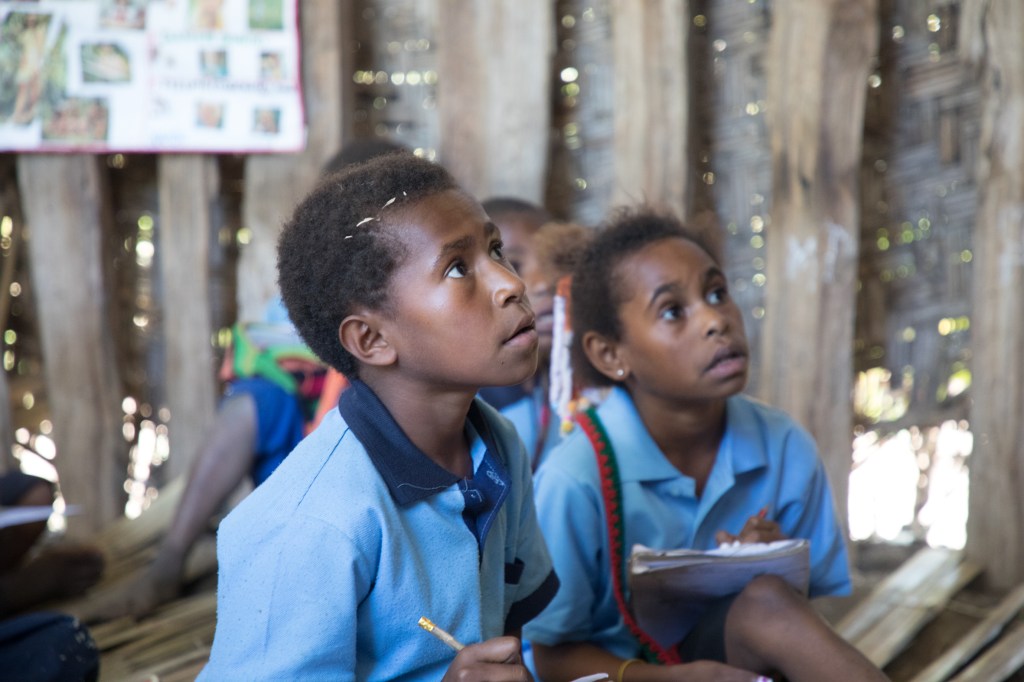
Pamela, 8, is a Grade 1 student at a remote elementary school that is benefitting from CARE Australia’s support.
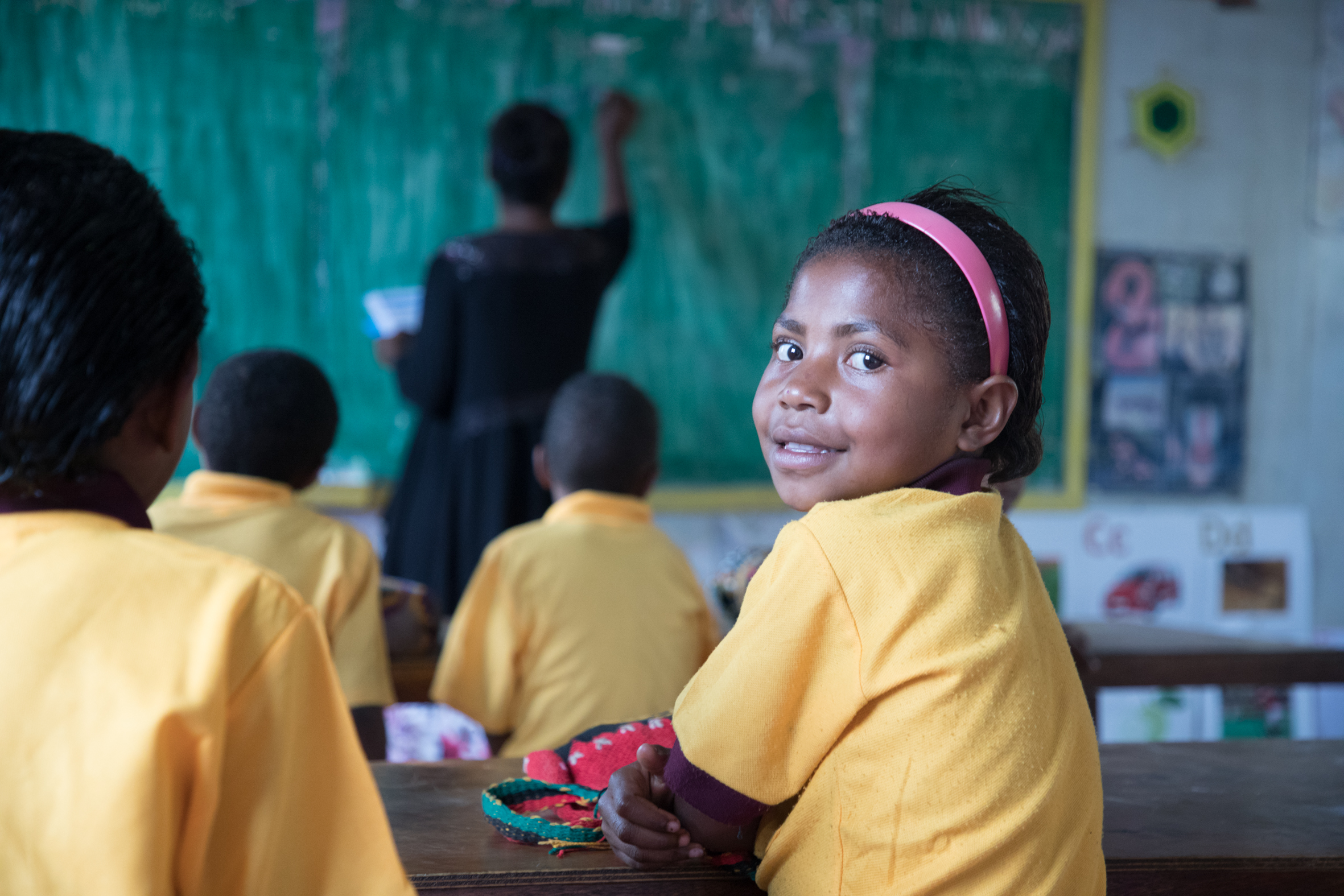
She loves school, and her teacher Meriam has high hopes for her: “Pamela can speak English, and read and write very well. She is great in class.”
“I would like to be a teacher when I grow up,” says Pamela. “To do that I will need to get educated and do well in school. I will have to get good marks on tests, and I will have to go to bigger schools, and then college.”
Pamela’s future depends on her school and teachers being the best they can be. This is particularly important for girls; if they are uneducated, girls face higher risks of early marriage, larger families and poorer health.
“Girls’ education is so important,” says Meriam. “There are so many jobs that women can do in this country, so girls need to be just as educated as boys.”
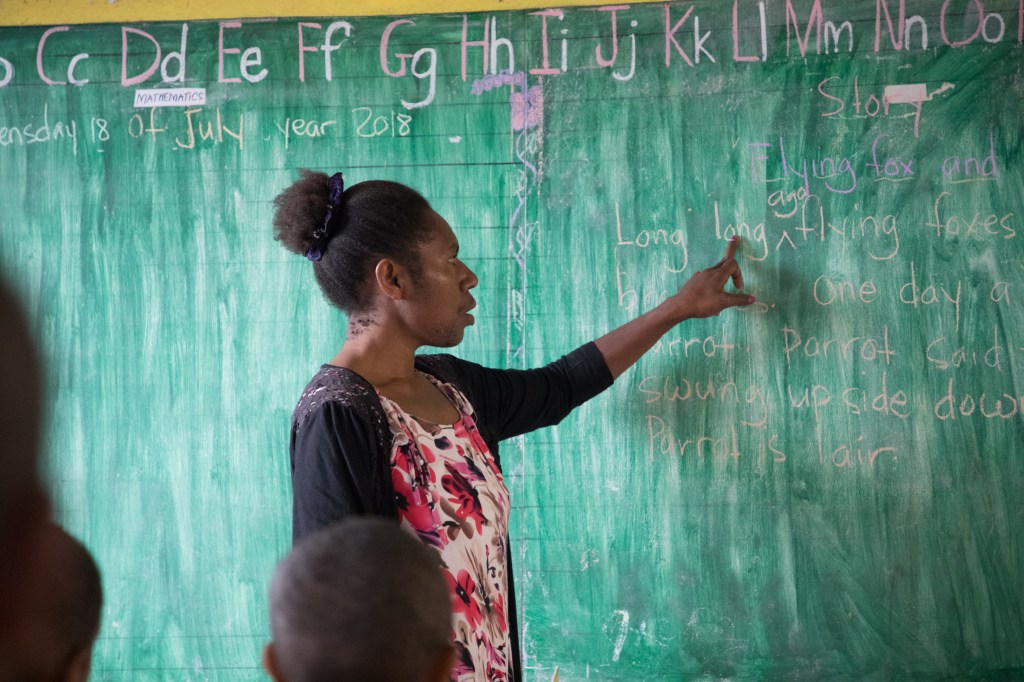
Since commencing in July 2016, CARE Australia’s education programs have provided gender and diversity training to education officials, trained 60 teachers in the government’s new curriculum, and given 11,600 students access to new learning materials such as text books and stationery.
Papua New Guinea can feel so close yet so far away, but the more we learn about the lives of our neighbours, the more we can do to help.
To find out more or donate to CARE Australia, visit http://www.care.org.au/papua-new-guinea
John Hewat
Writter and Storyteller at CARE Australia

 Puzzle Creek Press